As a product developer building data analytical tools for Power BI, I lived in a world of clean metrics, functional architecture, and sleek visualizations. But when a 46-year-old endocrinologist looked at me during an interview and said, "I have multiple screens open just to piece together what happened over the past months," something shifted.
The data wasn't the problem; the friction was. Hearing directly from physicians about their daily struggles with fragmented information made it clear: even the best-engineered tool means nothing if it doesn't solve a real human problem. This realization was the heart of my two weeks at the ZHAW HealthTech Summer School, an intensive program that fundamentally redefined my approach to healthcare innovation.
The Investigator's Perspective
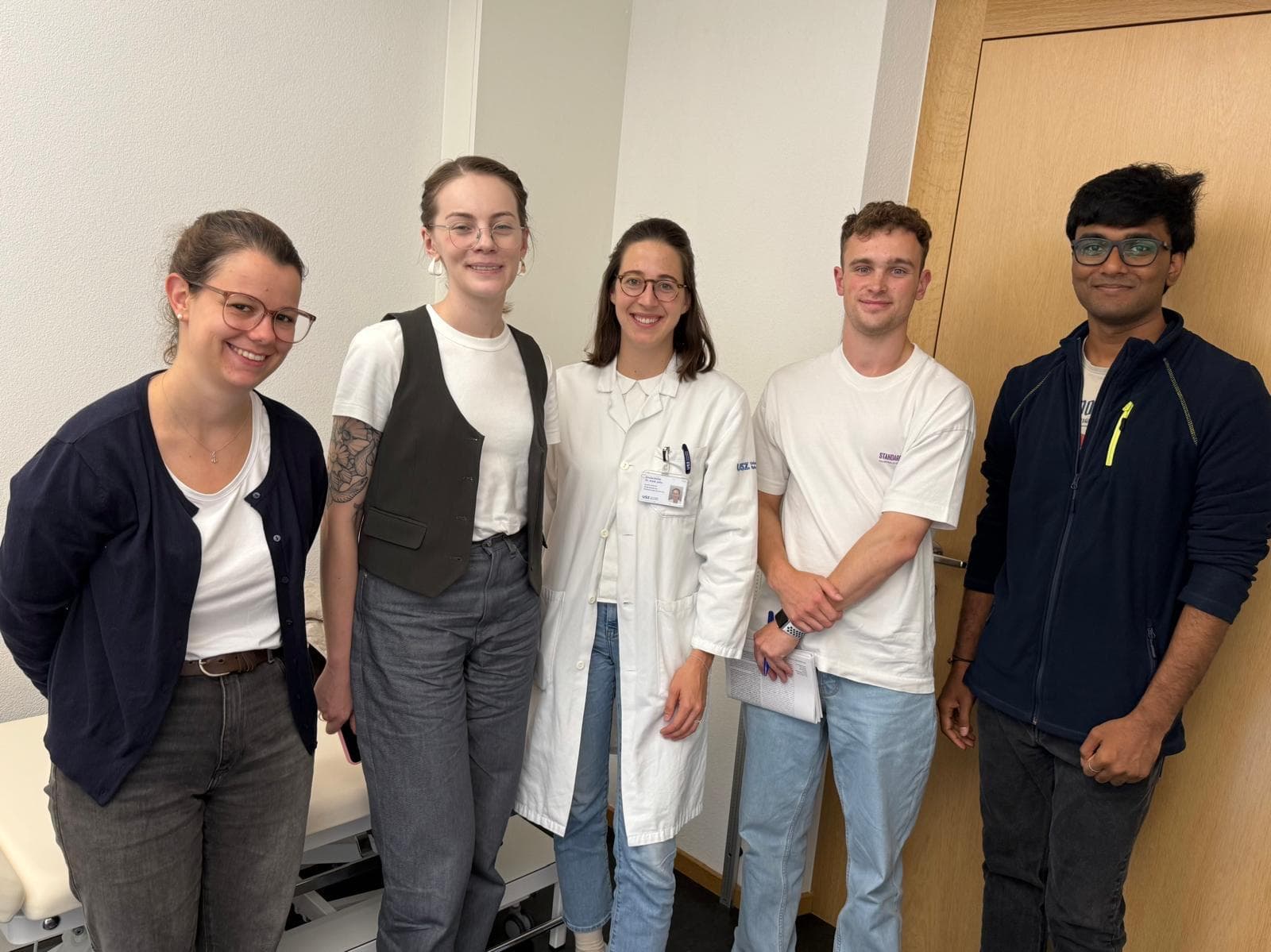
Stepping into clinical settings brought a new dimension to my technical work. During my immersion with our clinical partner, the Diabetology Department of the University Hospital of Zurich, I wasn't just observing from a distance; I was actively investigating how healthcare happens. I heard physicians describe the challenge of toggling between interfaces while trying to maintain patient connection. I witnessed the "lifestyle adjustment" not as a data point, but through conversations with real people navigating changes to habits they'd maintained for decades.
These weren't just "user personas" in a presentation; they were real people whose stories gave our work genuine importance. Because diabetes often has no immediate visible effects, staying consistent requires a level of commitment that technology alone cannot manufacture. I learned firsthand that physicians aren't just looking for more sophisticated tools. They're looking for clarity to help their patients stay motivated.
Innovation as an Interdisciplinary Sport
I quickly discovered that some of the deepest learning came from the intersection of different perspectives. Our team was a microcosm of the industry: a physician, a designer, business and marketing majors, and technical specialists like myself.
In most professional settings, these roles rarely overlap so early in the development cycle. Here, our diversity became our strength. We had enriching conversations where the developer would ask "How?" and the doctor would ask "Why?" It was a masterclass in how different lenses create a sharper final product. Everyone contributed fully, supportive, encouraging, and genuinely collaborative in solving real problems together.
The Challenge: Building CoDoc
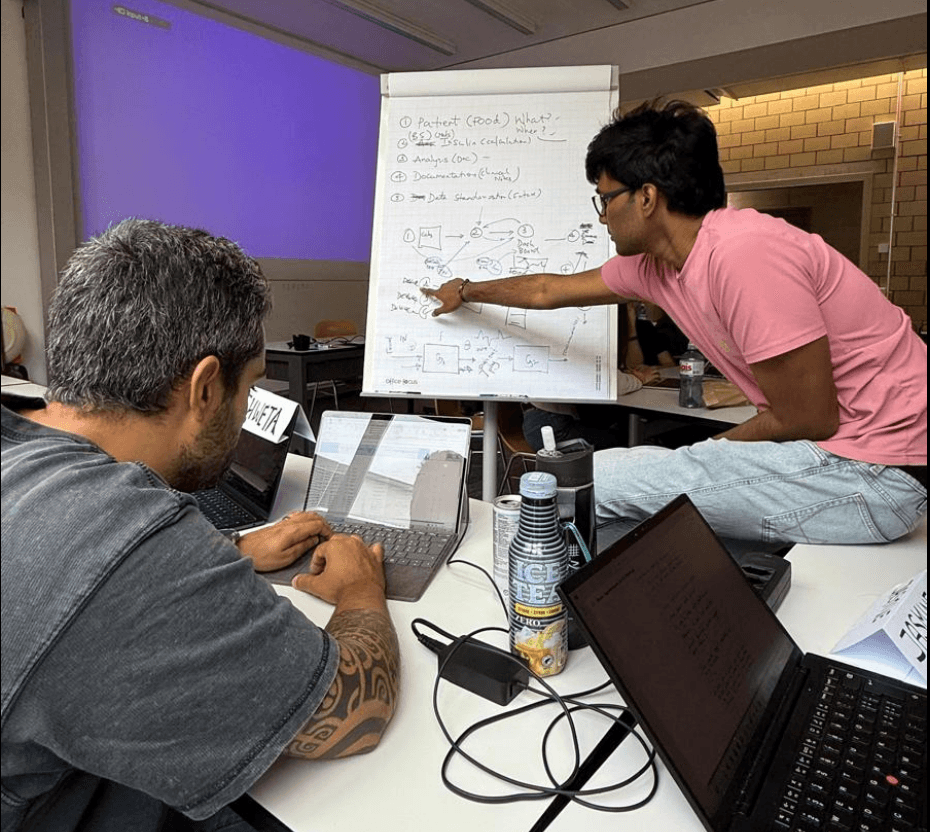
After our research, we identified a critical gap: data fragmentation in diabetes care. We developed CoDoc, a clinical platform designed to integrate disparate medical devices into a single, unified dashboard.
The goal seemed straightforward: reduce the time doctors spend navigating platforms and increase the time they spend with patients. However, we discovered an important truth: many solutions already exist, yet adoption remains limited. This insight, which came directly from our interviews, shifted our focus. We weren't just building the technical solution. We needed to identify a need that the market would genuinely value and sustain.
We refined our direction. Multiple times. Each iteration brought us closer to understanding what truly matters in healthcare innovation.
Lessons That Transform Thinking
My technical background trained me to move quickly from problem identification to solution building. This program taught me something more nuanced: the questions you ask before you build determine your impact.
I now approach every project asking:
- What impact can we create by solving this specific problem?
- Who truly benefits most from this solution?
- What value does this provide that makes it worth supporting?
- What considerations (regulatory, psychological, or human) exist beyond the technical implementation?
I also gained appreciation for the journey healthcare innovations take to market. Many companies develop meaningful solutions that face regulatory requirements, intellectual property considerations, and implementation timelines, all necessary steps to ensure safety and efficacy.
The Pitch: Every Outcome Brings Growth
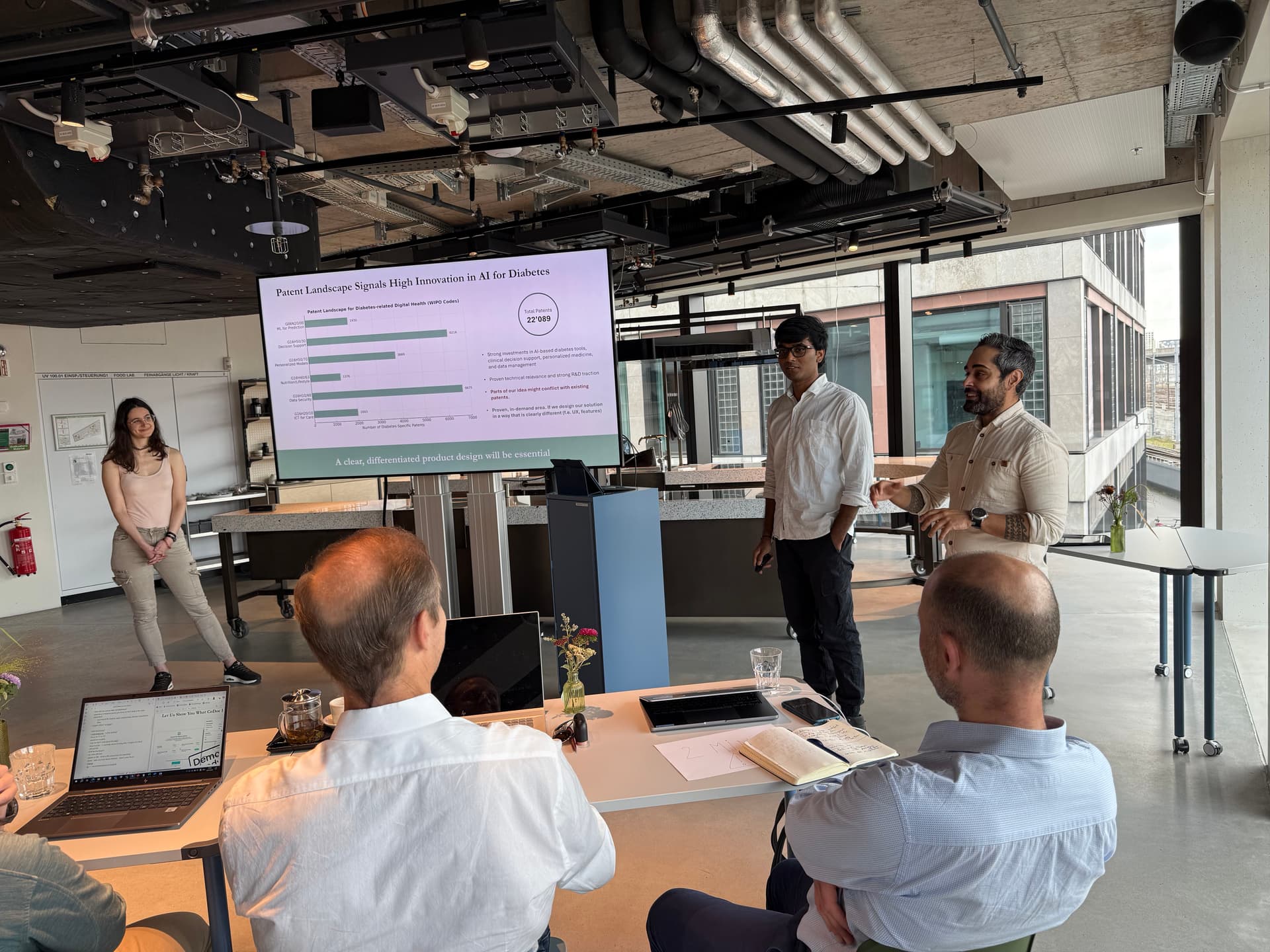
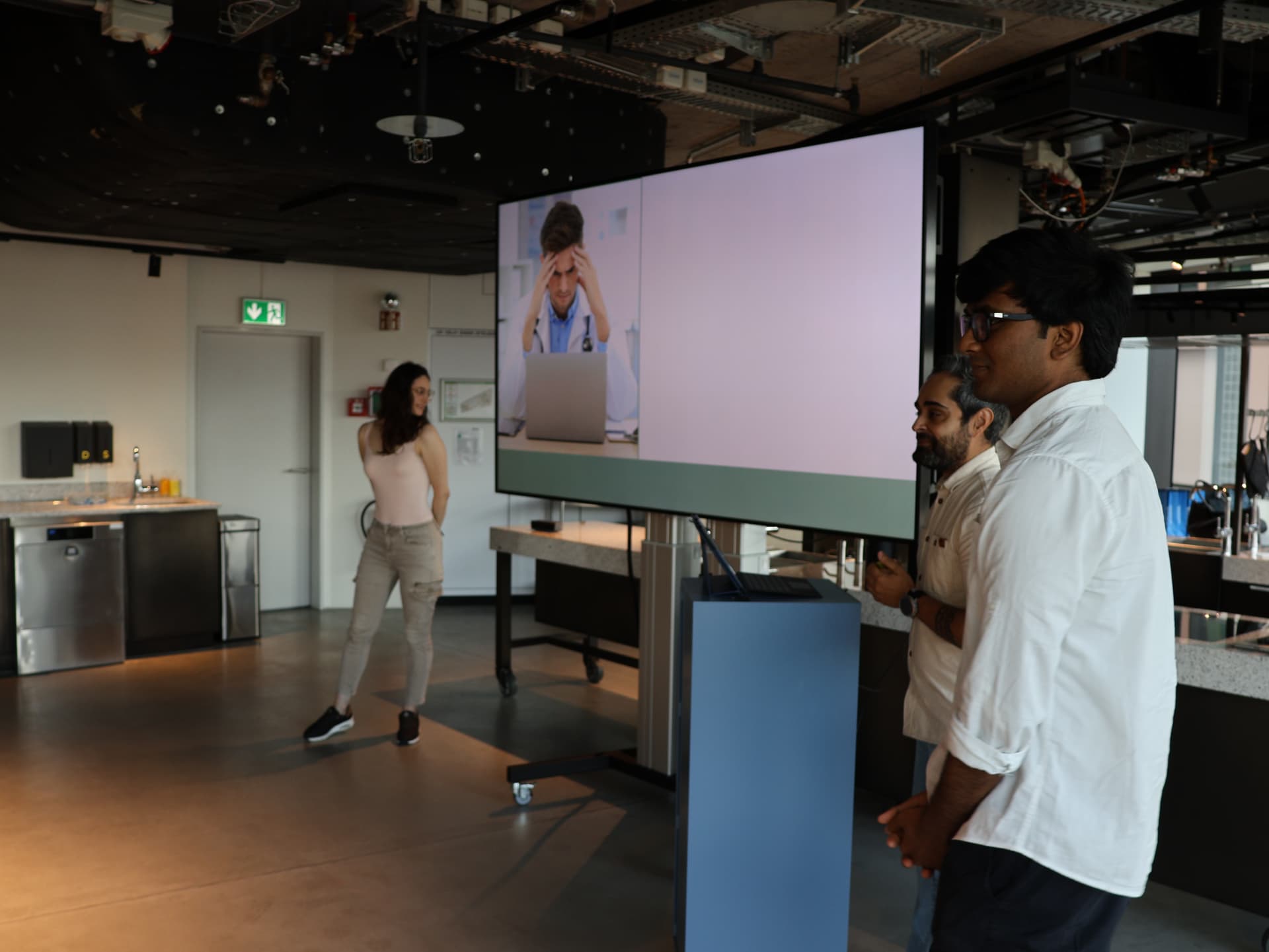
Our final pitch showcased what we'd learned. The judges appreciated CoDoc's approach to data integration and its potential to improve physician workflows. We also received thoughtful feedback about market considerations and the timeline for clinical adoption.
We didn't take home the top prize. Another team's solution was recognized as the strongest. A year ago, that might have felt like a setback. Today, it feels like valuable education. The insight wasn't in winning; it was in understanding that even an excellent technical solution needs the right timing, market readiness, and sustainable support structure.
Did we learn invaluable lessons? Absolutely.
Am I grateful the strongest solutions were recognized? Yes.
Am I thankful I was part of this journey? Incredibly so.
Beyond the Classroom: The Network You Build
The HealthTech Summer School offered more than 6 ECTS credits or a curriculum modeled after Stanford Biodesign (though those are impressive). It offered a network of people genuinely invested in healthcare innovation.
We had social events and networking sessions with professionals established in med-tech and biomedical fields. These were genuine conversations where people shared their journeys so we could learn from their experiences.
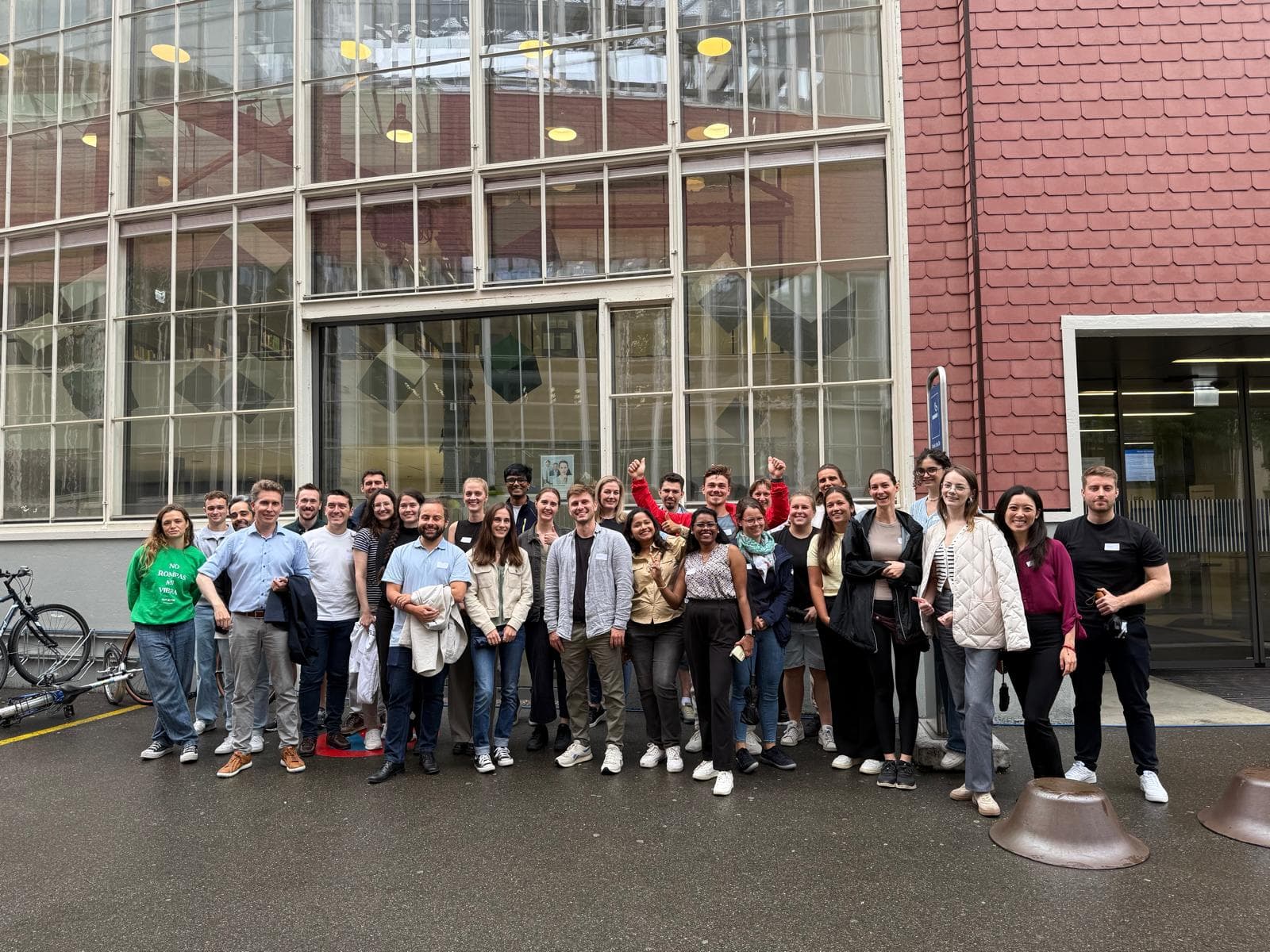
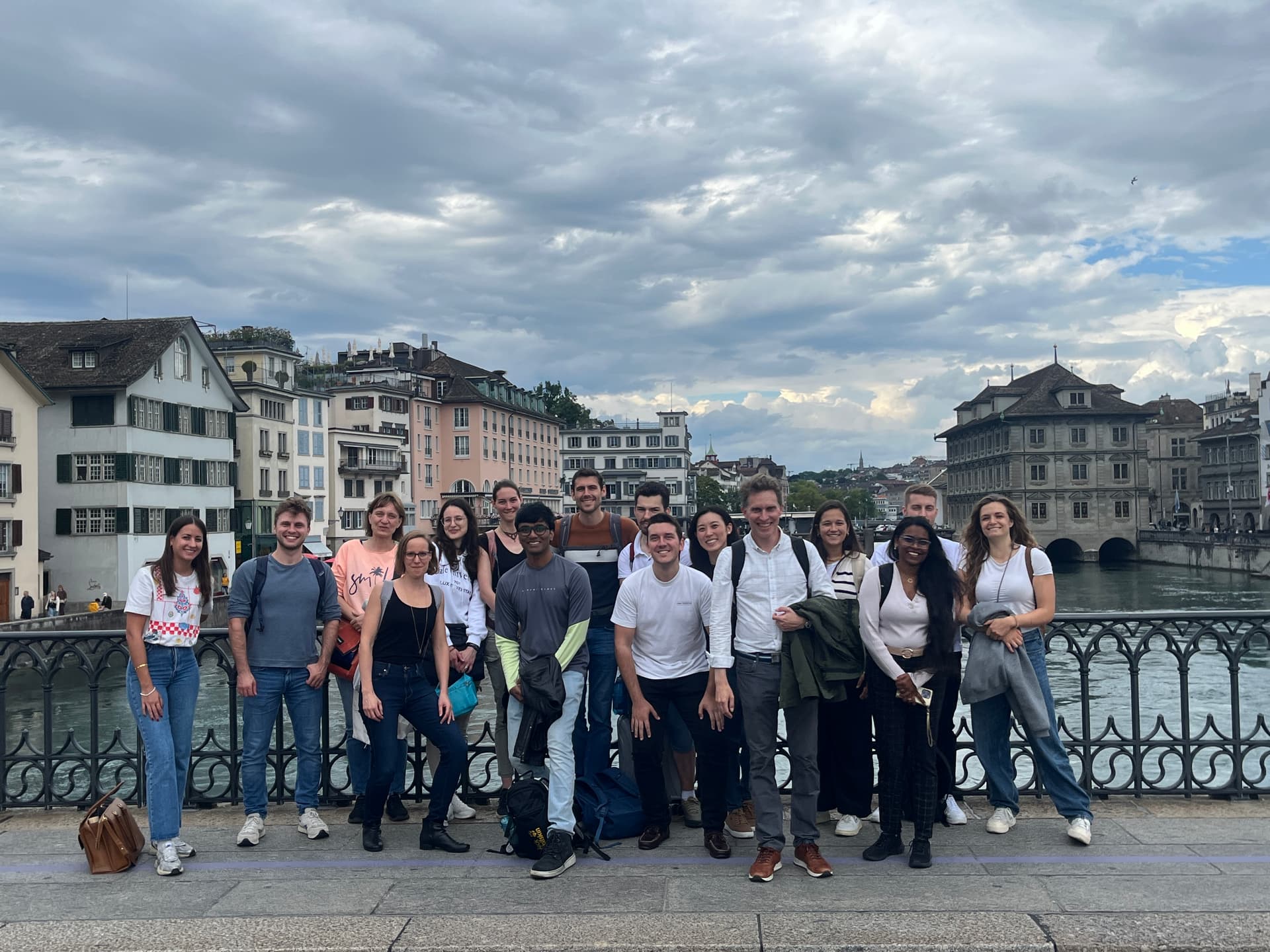
A Zurich tour and dinner were organized for international students, creating moments of connection. Sharing meals, exploring the city, and exchanging stories transformed an intense two weeks into a shared adventure.
Who Should Apply? (And Why You Should Be Excited)
Based on my experience, I'd recommend the HealthTech Summer School for:
-
Anyone curious about what happens behind the scenes in clinical settings. If you've ever wondered how medical devices make it to market, or what shapes the pace of healthcare innovation, this program will illuminate those processes.
-
Anyone wanting to enter med-tech and seeking to bridge their current expertise with healthcare challenges. The program organizes teams based on candidates' backgrounds, strengths, and interests. Whether you're technical, business-oriented, medical, or from another field entirely, you'll find your place.
-
Anyone open to new experiences and ready to step outside their comfort zone. This is hands-on, real-world problem-solving with actual patients, physicians, and industry experts guiding you.
An honest note: The workload is substantial. These two weeks are full. You'll conduct interviews, analyze data, develop business models, understand regulatory frameworks, and pitch to industry specialists. But if you're genuinely motivated and curious about healthcare innovation, the intensity becomes energizing.
Learn more about the HealthTech Summer School
Visit Official Website →Final Thoughts
Two weeks can reshape your perspective. The HealthTech Summer School compressed months of learning, relationship-building, and growth into an intensive, rewarding experience.
I walked away with a new approach to innovation, genuine understanding of healthcare challenges, and connections with brilliant people I'm grateful to call colleagues and friends.
The HealthTech Summer School 2025 bridged my technical expertise with meaningful healthcare innovation, and I'm grateful for every moment of the journey.